

How to Decide the Right Plant Capacity for Your Infrastructure Project in India
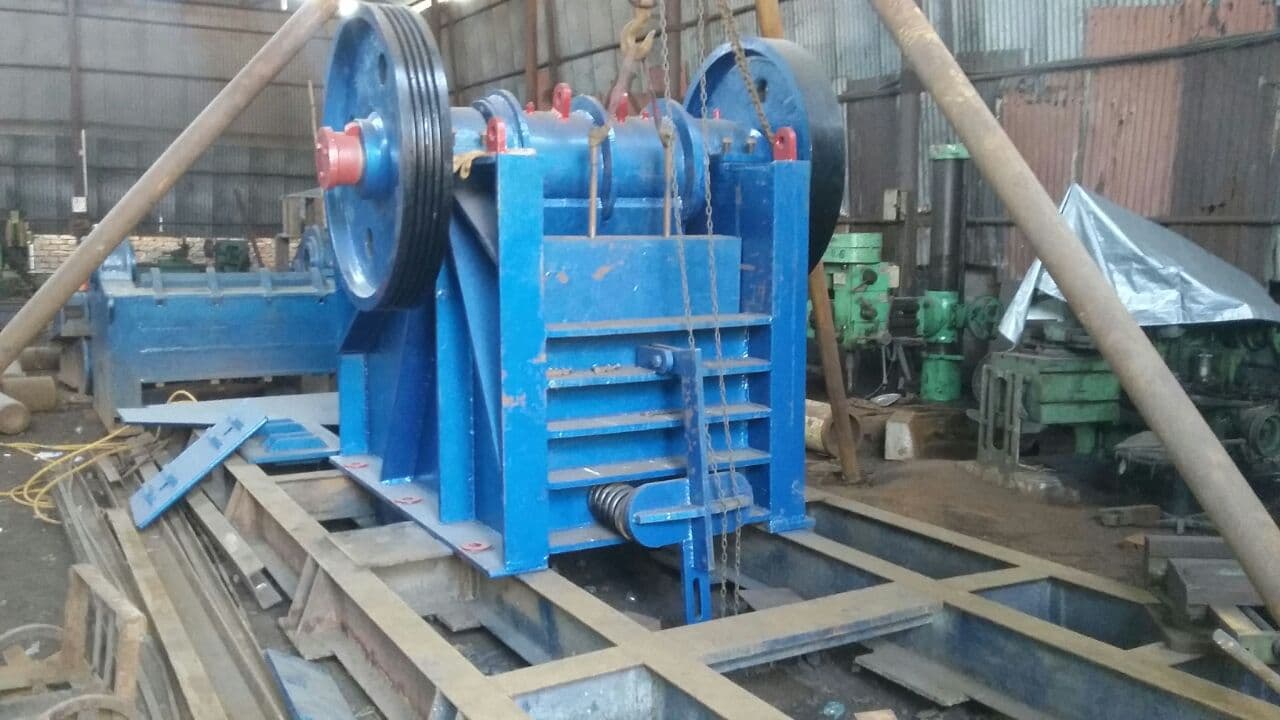
Plant capacity refers to how much raw stone material your crushing plant can process in one hour, measured in Tonnes Per Hour (TPH). Choosing the right TPH directly governs project execution speed, equipment capital outlay, and market competitiveness across infrastructure contracts.
Step 1: Estimate Annual Market & Project Demand
Forecast the total aggregate tonnage required per year. For instance, if your road or railway construction contract demands 50,000 tonnes per year, this forms your calculation baseline.
Step 2: Calculate Effective Annual Operating Hours
Account for scheduled maintenance, monsoons, and shifts:
Example: 300 Days × 16 Hours/Day = 4,800 Hours/Year
Step 3: Calculate Base TPH Requirement
Example: 50,000 Tonnes ÷ 4,800 Hours = 10.42 TPH
Step 4: Incorporate Growth & Seasonal Peak Buffers
Add a 15–20% capacity growth margin to prevent bottlenecking during peak construction seasons:
Example (20% Growth): 10.42 TPH × 1.20 = 12.5 TPH
Real-World Case Study: Road Construction Line
Project Demand: 75,000 Tonnes / Year | Shift Schedule: 300 Days @ 10 Hours/Day (3,000 Hours/Year) | Growth Buffer: 15%
- Base TPH = 75,000 ÷ (300 × 10) = 25.00 TPH
- Adjusted TPH = 25.00 × (1 + 0.15) = 28.75 TPH
Recommended Plant Sizing: Standard 30 TPH Crushing Line
Call +91 82409 38968 to Design Your Plant TPH Capacity
Get free engineering consultations to calculate exact plant TPH requirements and select optimal Jaw/Cone combinations.
Have questions about your stone crushing project?
Our HPPA engineering experts are here to help you select the perfect equipment configuration and plant layout for your capacity targets.


