

How do Jaw Crushers Work?
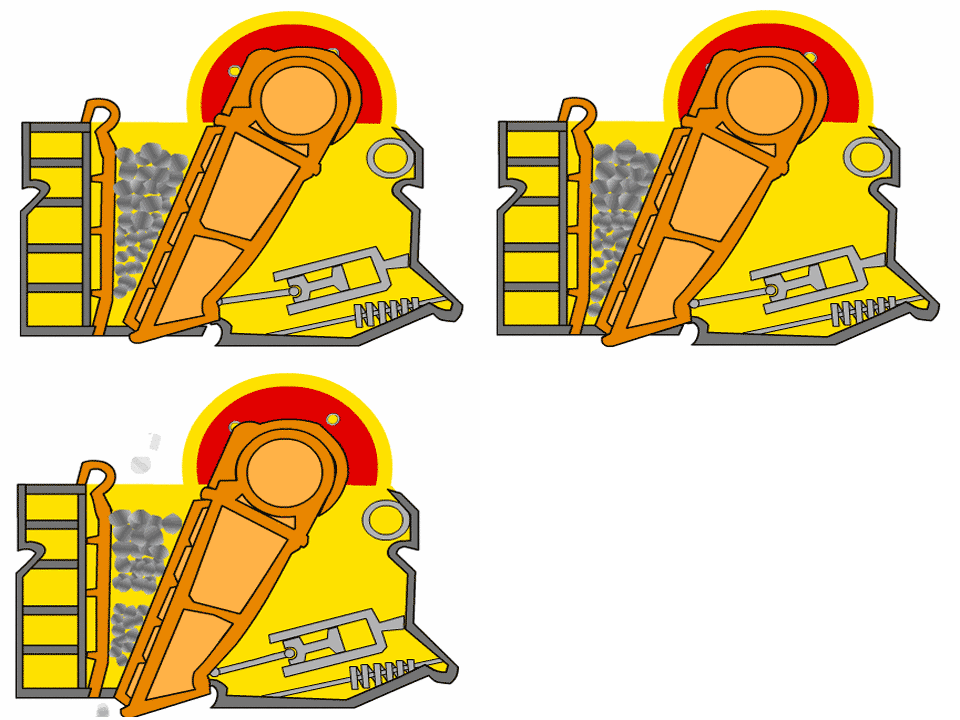
A jaw crusher is a machine designed to reduce large rocks into smaller pieces. It works by using two metal jaws—one fixed and one that moves back and forth—like a large metal "mouth" to crush the material. The material is fed into the top of the crusher, and as the moving jaw compresses the material against the fixed jaw, it breaks into smaller pieces until it can pass through the bottom opening.
Call +91 82409 38968 to get a quote for Jaw Crusher
What materials can a Jaw Crusher handle?
Jaw crushers can handle a variety of materials, including:
- Rocks
- Concrete
- Asphalt
- Minerals
- Building Rubble
They are commonly used in mining, construction, and demolition projects.
What should I consider when choosing a Jaw Crusher?
Here are key considerations when selecting your crushing equipment:
The size of the opening where material is fed. Larger openings handle bigger chunks.
The size of the crushed material. Adjustable to produce different product sizes.
How much material the crusher can process per hour, measured in tonnes per hour (TPH).
The power of the electric motor driving the crusher. More power means handling tougher materials.
The wear-resistant surfaces that do the actual crushing. They need regular inspection and replacement.
How do I install a Jaw Crusher?
Installation involves several crucial steps to ensure safe and long-term operation:
- 1. Location: Choose a flat, stable surface.
- 2. Foundation: Use concrete to create a solid base that can absorb operational vibrations.
- 3. Accessibility: Ensure enough space for feeding material, maintenance, and removing crushed material.
- 4. Safety: Install safety guards and emergency stops. Train operators on safe usage.
- 5. Power Supply: Ensure a reliable electricity source for the motor.
Maintenance & Cost Breakdown
Routine Maintenance
- Inspection: Check wear on jaw plates and replace as necessary. Tighten any loose bolts or parts.
- Lubrication: Keep moving parts well-lubricated for smooth operation.
- Cleaning: Regularly clean the crusher to remove material build-up.
Expected Maintenance Costs
- Replacement Parts: $1,000 to $3,000/year for jaw plates and wear parts.
- Lubricants & Oils: $200 to $500 annually for regular lubrication.
- Labor Costs: Varies depending on site location and technical expertise.
Total Cost & Installation Investment
| Cost Factor | Estimated Range | Details |
|---|---|---|
| Initial Purchase Price | $20,000 – $150,000+ | Varies based on size, TPH capacity, and features. |
| Installation & Setup | $10,000 – $50,000 | Includes foundation work, electrical setup, and labor. |
| Foundation Costs | $1,000 – $5,000 | Solid concrete foundation for stability and vibration control. |
| Electrical Setup | $500 – $2,000 | Power supply infrastructure and wiring. |
| Annual Operational Costs | $10,000 – $30,000/yr | Electricity, maintenance, wear parts, and labor. |
Call +91 82409 38968 to get a quote for Jaw Crusher
Financing, ROI & Final Checklist
Yes, we have compiled a list of partner banks and offer assistance to help you secure machinery loans and equipment financing.
Crushing materials on-site reduces transportation costs and improves productivity. Key ROI drivers include:
- Material Savings: Cost savings from processing your own raw materials.
- Increased Efficiency: Faster project completion times with on-site equipment.
- Market Demand: Additional revenue generated from selling surplus crushed material.
- Zoning & Permits: Verify local environmental and heavy machinery operating permits.
- Site Preparation: Ensure proper delivery access and spatial clearance for operations.
- Operator Training: Budget for training staff to operate and maintain machinery safely.
Call +91 82409 38968 to Get a Quote for Jaw Crusher
Get expert assistance on plant sizing, bank loans, and custom crushing configurations.
Have questions about your stone crushing project?
Our HPPA engineering experts are here to help you select the perfect equipment configuration and plant layout for your capacity targets.


